Introduction
Hi, I'm cardene, a software engineer and technical writer focused on blockchain and AI.
I've also authored Japanese technical books on specification-driven development with LLMs and decentralized application (DApp) development.

I also build and publish a variety of tools, libraries, and open-source projects.
This article introduces ERC-20 and ERC-721 from the ground up. It is intended for non-engineers who are unfamiliar with ERC-20 or have only a general understanding of it, as well as engineers who are beginning to learn about it.
The explanation covers the fundamentals in detail, so you may want to set aside time to read it in one sitting.
What Is ERC-20?
A Standardized Token Interface
ERC-20 is a standardized token interface used on the Ethereum blockchain.
A standardized token interface means that tokens follow a common set of rules. Without common rules, wallets would need separate integrations for each token. Creating or obtaining a new wallet whenever you encounter another token would be inconvenient.
By following ERC-20, tokens can be managed using a wallet that supports the common standard.
ERC-20 tokens are also known as fungible tokens. Fungibility means that units of the same token can be exchanged for equivalent units. NFTs, by contrast, represent non-fungible tokens whose individual identities matter.
Making ICO Participation Easier
ICO stands for Initial Coin Offering, a fundraising method in which a project issues new cryptocurrency tokens.
A typical process is as follows.
- A project publishes its objectives and plans for a new cryptocurrency.
- Investors and supporters who agree with those plans purchase the newly issued tokens using existing cryptocurrencies.
- The project uses the funds raised to develop its products or services.
- Investors and supporters may use the project's services or benefit if the token appreciates in value.
How does this relate to ERC-20?
ERC-20 provides common rules for tokens. Participants do not have to prepare a separate wallet for every newly issued token if their existing wallet supports the standard. This lowers the technical barrier to participating in an ICO.
Examples of wallets supporting ERC-20 include MetaMask, Trust Wallet, and MyEtherWallet.
Anyone Can Create a Token
Anyone can create ERC-20 tokens, which is why so many different ERC-20 tokens exist.

The original article recorded approximately 735,000 ERC-20 token types on Etherscan as of December 31, 2022. This is a historical count.
Additional Functionality
ERC-20 standardizes a minimum set of functions. Developers can implement additional functionality for individual tokens.
Different tokens serve different purposes, so their additional features can be designed to match those purposes.
Stablecoins
Cryptocurrencies designed to track the price of fiat currencies, such as the US dollar or Japanese yen, or traded commodities such as gold and platinum.
DeFi Tokens
Tokens supporting decentralized finance (DeFi) protocols. The article describes protocols that operate through smart contracts without a central administrator.
Users may earn interest by depositing cryptocurrency, receive tokens for providing liquidity, or earn yield by lending cryptocurrency.
Utility Tokens
Tokens with practical uses within a particular community or service.
Possible uses include the following.
- Purchasing goods or paying service fees.
- Rewarding users for particular activities.
- Participating in community decisions through token ownership.
- Receiving rewards based on the quantity or duration of token holdings.
For more detailed explanations, see the following articles.
https://chaldene.net/erc20-deposit-widthdraw
What Is ERC-721?
ERC-721 is a standard for non-fungible tokens.
The Coinbase explanation referenced in the original article describes NFTs as individually unique tokens, unlike interchangeable assets such as bitcoins or dollar bills. NFTs can be used to authenticate ownership of digital assets, including artwork, recordings, virtual real estate, and virtual pets.
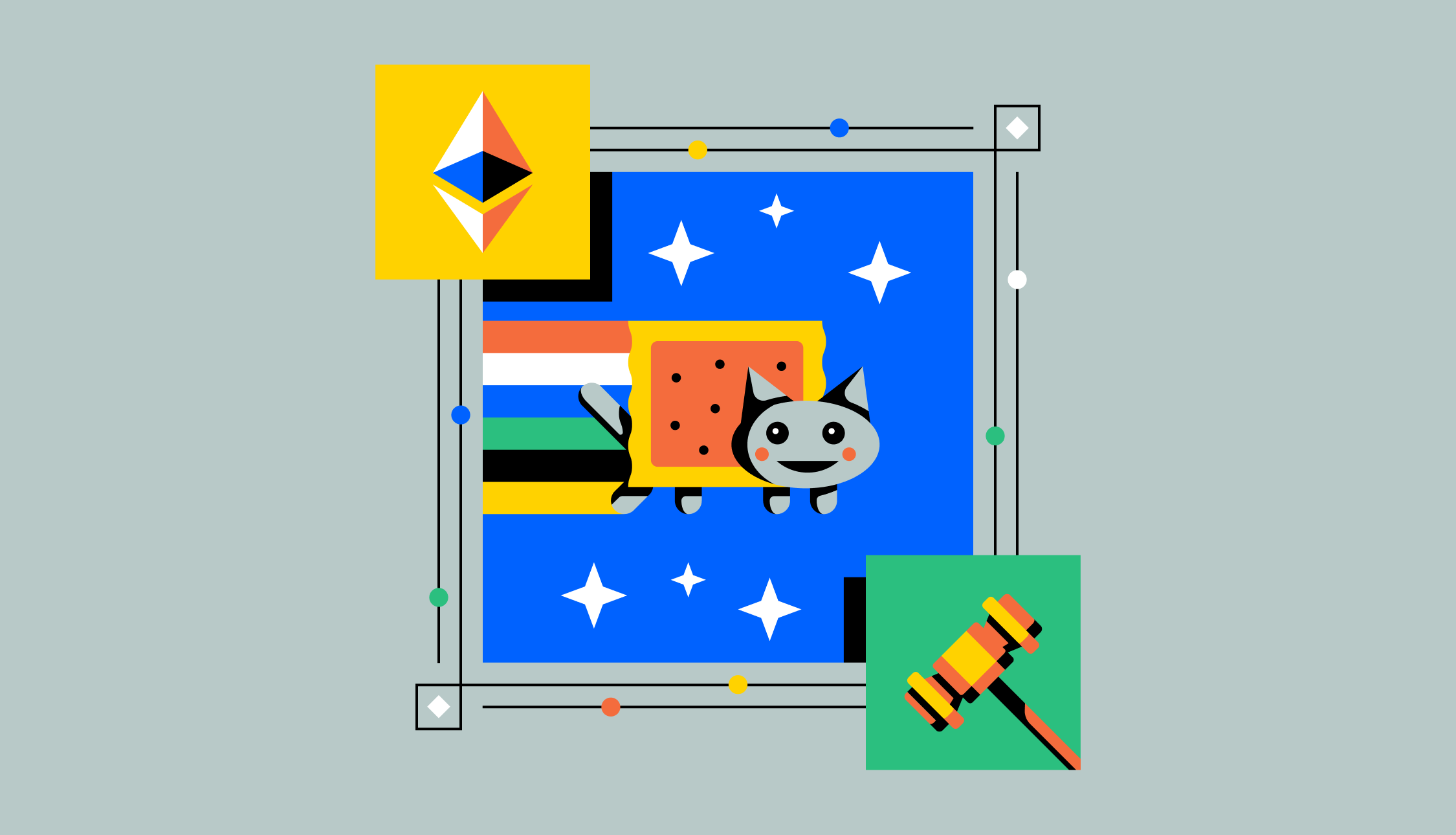
The key point is that each token has its own identity rather than being interchangeable on a unit-for-unit basis with another token.
NFT stands for Non-Fungible Token.
For further details, see the following article.
Conclusion
This article introduced ERC-20 and ERC-721, explaining their common interfaces and the distinction between fungible and non-fungible tokens.
Thank you for reading. If you have questions, feel free to contact me on X (formerly Twitter).
