Introduction
Hi, I'm cardene, a software engineer and technical writer focused on blockchain and AI.
I've also authored Japanese technical books on specification-driven development with LLMs and decentralized application (DApp) development.

I also build and publish a variety of tools, libraries, and open-source projects.
This article examines ERC-2309, which defines an event for minting or transferring one or more ERC-721 NFTs with consecutive token IDs.
This article translates, summarizes, and supplements the material linked below.

If you are unfamiliar with smart contract interfaces, see the following article.
https://chaldene.net/erc721#st-toc-h-5
Summary
ERC-2309 defines a standardized event for minting or transferring ERC-721 NFTs with consecutive token IDs.
Overview
The extension does not prescribe how one or more ERC-721 NFTs are minted or transferred. Instead, it defines the event emitted to describe the operation.
Motivation
This extension improves the scalability of ERC-721. A token ID is a 256-bit value, so the theoretical identifier space contains up to 2^256 NFTs. However, emitting that many individual Transfer events in one transaction is not feasible.
ERC-721 describes its Transfer event as recording changes in NFT ownership, including minting (when from == 0) and burning (when to == 0). It also allows an exception to the requirement to emit a transfer event for NFTs assigned during contract creation.
Under ERC-721, a conventional Transfer event represents a single NFT. Emitting one event per token therefore has O(n) complexity.
Even with an efficient range-based minting implementation, issuing one billion NFTs and emitting an individual event for each would require an impractically large loop, exhausting gas or exceeding transaction execution limits. ERC-2309 addresses the event-reporting bottleneck.
Many decentralized marketplaces and block explorers rely on Transfer events to determine which NFTs an address owns. ERC-2309 provides a standard mechanism for platforms to track ownership changes covering large ranges of NFTs.
Specification
- ERC-721 contracts may implement ERC-2309 to provide a standard event for minting, burning, or transferring one or more NFTs with consecutive token IDs.
- For transfers, the account initiating the operation must own or be authorized to transfer every NFT in the range from
fromTokenIdtotoTokenId. - The range must consist of consecutive token IDs.
fromTokenId,fromAddress, andtoAddressmust be indexed parameters.- The
indexedkeyword allows logs to be filtered by those parameters.
- The
toTokenIdmust not be indexed.- When minting NFTs,
fromAddressmust be the zero address (0x0). - When burning NFTs,
toAddressmust be the zero address (0x0). - When emitting
ConsecutiveTransfer, the conventionalTransferevent must not also be emitted for the same operation.
Event Declaration
event ConsecutiveTransfer(uint256 indexed fromTokenId, uint256 toTokenId, address indexed fromAddress, address indexed toAddress);Examples
The ConsecutiveTransfer event can represent a single NFT or a range of NFTs.
Minting a Single NFT
- The sender is the zero address.
emit ConsecutiveTransfer(1, 1, address(0), toAddress);Minting Multiple NFTs
emit ConsecutiveTransfer(1, 100000, address(0), toAddress);Transferring Multiple NFTs
emit ConsecutiveTransfer(1, 100000, fromAddress, toAddress);Burning NFTs
- The recipient is the zero address.
emit ConsecutiveTransfer(1, 100000, from, address(0));Additional Notes
Standardizing ConsecutiveTransfer allows decentralized platforms to determine ownership changes across large ranges without requiring an entirely new NFT token standard.
There are multiple ways to implement batch minting and transfers. The Consecutive Transfer Extension leaves those implementation choices to contract developers while providing a common event that can describe consecutive ranges. It can represent the theoretical range of up to 2^256 token IDs, but this does not guarantee that a particular contract can update that many ownership records within the gas limits of one transaction.
Issuing and transferring these NFTs one at a time would be expensive and time-consuming.
With a suitable batch implementation and ERC-2309 events, the initial 10,000 trees could be represented in one minting operation. Additional batches of 1,000 could be minted efficiently. A specialized contract tracking sales and distributing proceeds could potentially transfer a large consecutive range in one transaction.
The event standard alone does not implement batch operations or revenue distribution. Actual gas costs and compatibility depend on the contract and indexers.
A Single Event for Minting, Transferring, and Burning
ConsecutiveTransfer can describe minting, transfer, and burn operations. Applications should consult the extension specification and can use ERC-165 to check whether a contract supports the ERC-721 interface.
A separate compatibility consideration is that ERC-721 normally requires individual Transfer events outside contract creation. For example, implementations that prioritize compatibility may restrict consecutive minting to the constructor; support for other range operations must be assessed against the applicable standard and indexers.
Indexed Event Parameters
Non-anonymous Solidity events support up to three indexed parameters. ERC-2309 indexes fromAddress, toAddress, and fromTokenId. The toTokenId value is retrieved from the log data.
Applications can therefore filter by the indexed addresses or starting token ID and decode the range endpoint from the event data.
Why Not Emit Transfer Alongside ConsecutiveTransfer?
Emitting both event types for the same ownership change could introduce bugs or require complicated deduplication logic in platforms tracking NFT ownership.
For a single NFT transfer, emitting the conventional Transfer event is acceptable. Avoid emitting both representations for the same change.
Comparing ERC-2309 and ERC-1155
As the NFT market grows, smart contracts must support scalable minting, transfers, and ownership tracking within Ethereum's cost and execution limits. Collections containing millions of NFTs make efficient implementations particularly important.
ERC-1155 was designed in part to address batch operations, but minting many distinct token IDs can still be expensive. Depending on the number of IDs, gas costs may be substantial or execution may exceed gas limits.
ERC-1155 is particularly efficient when dealing with many units of the same token ID. ERC-2309, combined with an efficient ERC-721 implementation, can help represent large ranges of distinct NFTs that can subsequently receive individual metadata. Actual cost savings depend on the implementation and workload.
See the following article for ERC-1155.
Conclusion
ERC-2309 defines a standard event for minting or transferring ERC-721 NFTs with consecutive token IDs.
I plan to add more implementation details in the future.
If you have questions, feel free to contact me on Twitter.
Recruitment Notice from the Original Article
At the time of the original article, CryptoGames was recruiting new team members.
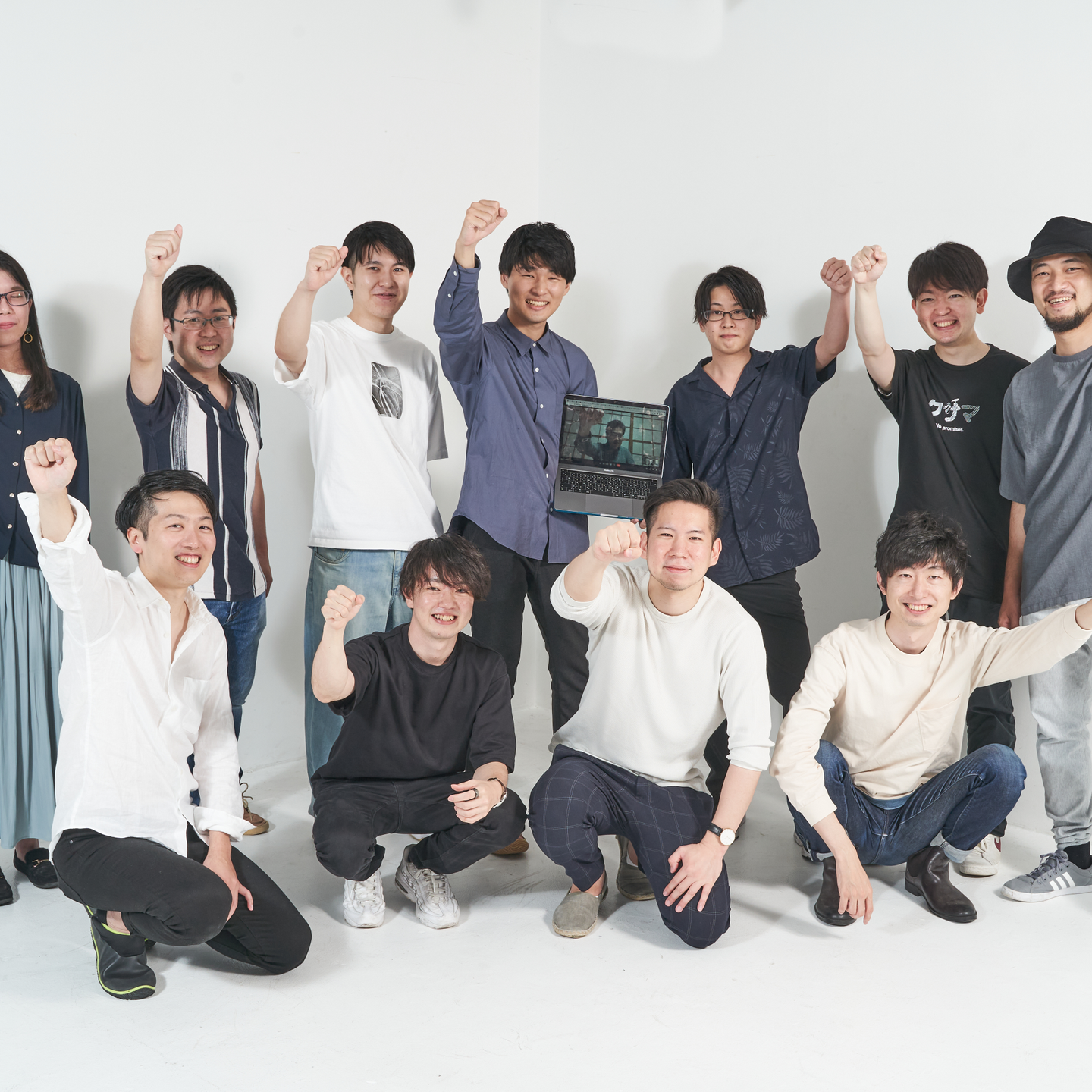
The original notice described an environment with considerable autonomy and opportunities to develop skills quickly, and invited readers interested in blockchain, Web3, NFTs, or smart contract development to get in touch. This is a historical notice, not a verification of current openings.