Introduction
Hi, I'm cardene, a software engineer and technical writer focused on blockchain and AI.
I've also authored Japanese technical books on specification-driven development with LLMs and decentralized application (DApp) development.

I also build and publish a variety of tools, libraries, and open-source projects.
This article looks at warning signs of fraudulent NFT projects, drawing on the following article.
As NFTs have attracted more attention, scams have become more common. Around the time of this article's original publication in February 2022, people often reported losing wallet assets after following links received through Twitter or Discord direct messages, or entering their seed phrases on fraudulent websites.
These are not the only kinds of scams. A team may present an apparently promising NFT project, then take down its website and disappear with the cryptocurrency raised from NFT sales.
Reference: https://news.yahoo.co.jp/articles/0f1c1c9fa4392e6ee2011d7a4d2f320ae64a3bae
How can you avoid projects like these? The source article identifies several characteristics that may warrant closer scrutiny. None is proof of fraud on its own, but they can help you make more informed decisions.
Overview

The following eight warning signs are adapted from the source article, with additional explanations.
Warning signs
- An anonymous team
- Fake accounts and followers
- Unjustified pricing
- Poor artistic quality
- Copied websites
- Lack of innovation
- Toxic behavior
- Lack of originality
The sections below examine each sign individually.
An anonymous team
It helps to know who is running a project.
Imagine choosing between a product from a well-known company and one from an unfamiliar overseas business. Many people would prefer the former because buying from a business whose location and operators are unknown can feel risky.
The same considerations apply to NFT projects. A credible team member or a verifiable partnership with a reputable company can provide additional grounds for trust.
The source article suggests looking for at least half of the team members on social media.
Check whether the people involved have a verifiable presence on platforms such as Twitter or Facebook. Their previous posts about the project and connections with people you recognize can provide context, although none of these signals establishes trustworthiness by itself.
The source also warns against trusting team members solely because their photographs appear on the official website.
Machine learning can generate convincing photographs of people who do not exist. Fraudulent teams may use such images to create fictitious identities.
The following article demonstrates how realistic generated photographs can look.
https://ledge.ai/generated-photos/
Placed alongside photographs of real people, the generated images can be difficult to distinguish.
Fake accounts and followers
Twitter accounts and followers can be purchased.
An account with an old creation date may have been repurposed for an NFT project, or acquired from another person. An account whose followers increase dramatically over a short period without obvious publicity or endorsements may have purchased followers.
This creates an impression of popularity that does not necessarily reflect genuine community support. Inflated reputation can eventually become apparent, or it may be part of a deliberate attempt to mislead prospective buyers.
Signals worth investigating include an unexpectedly old account, sudden follower growth, followers with suspicious or apparently random usernames, and a lack of connections to people you recognize in the relevant community.
None of these observations establishes that an account belongs to a fraudulent project. Treat them as reasons to investigate rather than reasons to reach a definitive conclusion.
The source article also warns that one person can create many Discord accounts. Such accounts can be used to send allowlist (WL) messages or artificially inflate the reported size of a Discord community.
Be cautious about fabricated accounts and follower counts.
Unjustified pricing
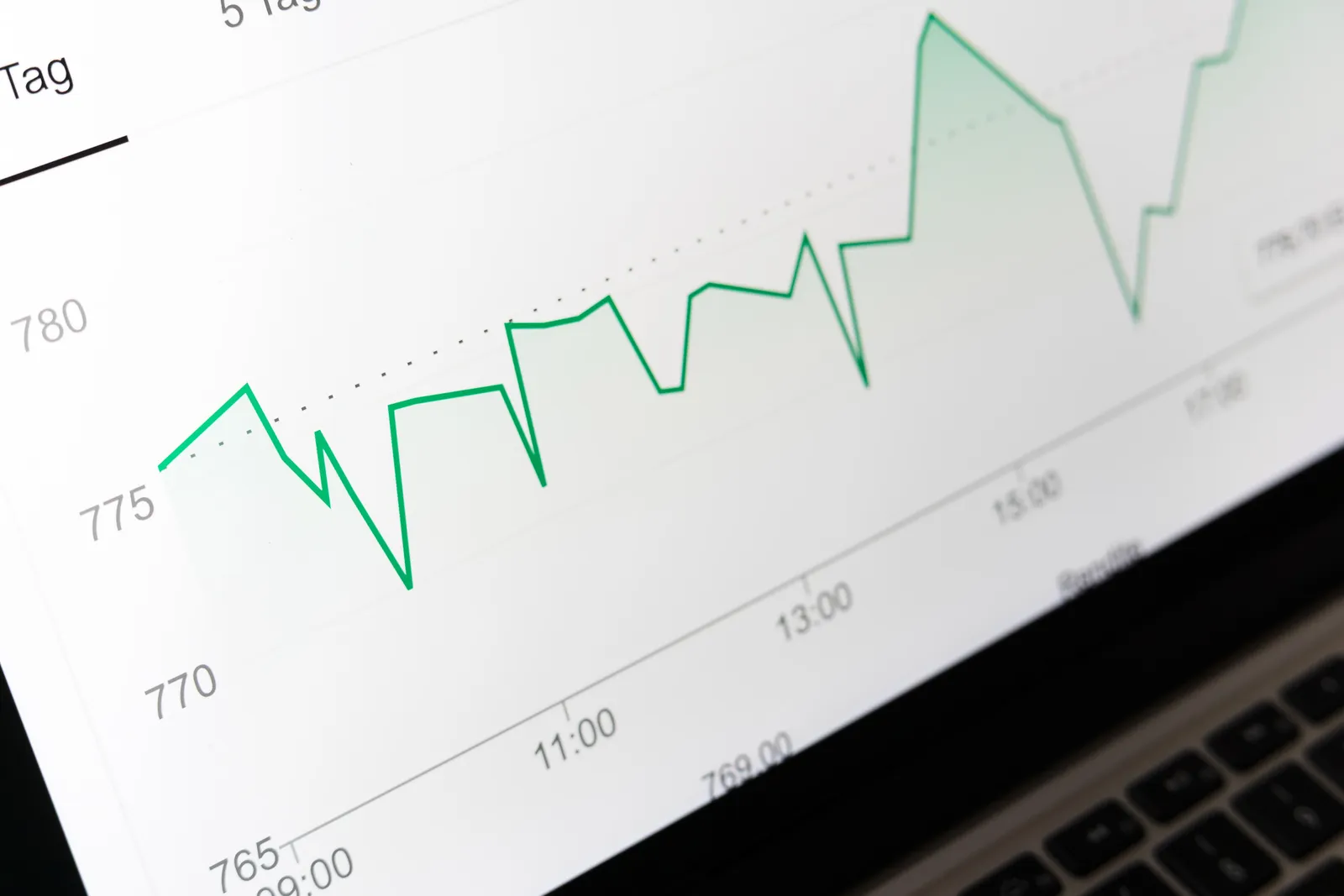
Determining a fair price for an NFT is difficult. There is no simple way to establish its underlying value, especially in a developing market.
A project may charge considerably more than its offering appears to justify. If the price feels inconsistent with what you know about the project, consider avoiding it rather than pursuing it aggressively.
Exercise particular caution if other warning signs are present as well.
Poor artistic quality

For an organized NFT collection, as distinct from work published independently by individual artists, artistic quality is another factor worth considering.
A recognizable artist or a publicly available portfolio can help establish the provenance of a collection. If you cannot identify the creator and do not find the artwork compelling, that may be a reason to look elsewhere.
Generative art is common, however, so a particular production technique is not inherently a warning sign. Consider whether you genuinely appreciate the work.
Visual consistency can also be informative. An independent artist need not maintain a uniform style, but a collection produced as part of a coordinated project may have recognizable visual characteristics.
CryptoPunks and Bored Ape Yacht Club (BAYC), for example, have distinctive and consistent visual identities.
Look at the collection itself rather than relying exclusively on marketing.
Copied websites
Someone can copy website code from GitHub and customize it to look like a newly developed site.
Developers might detect the similarities by inspecting the code, but most visitors will not do this.
One way to spot possible copying is to familiarize yourself with other projects' websites. The more examples you have seen, the easier it may be to recognize an unusually similar design.
Lack of innovation
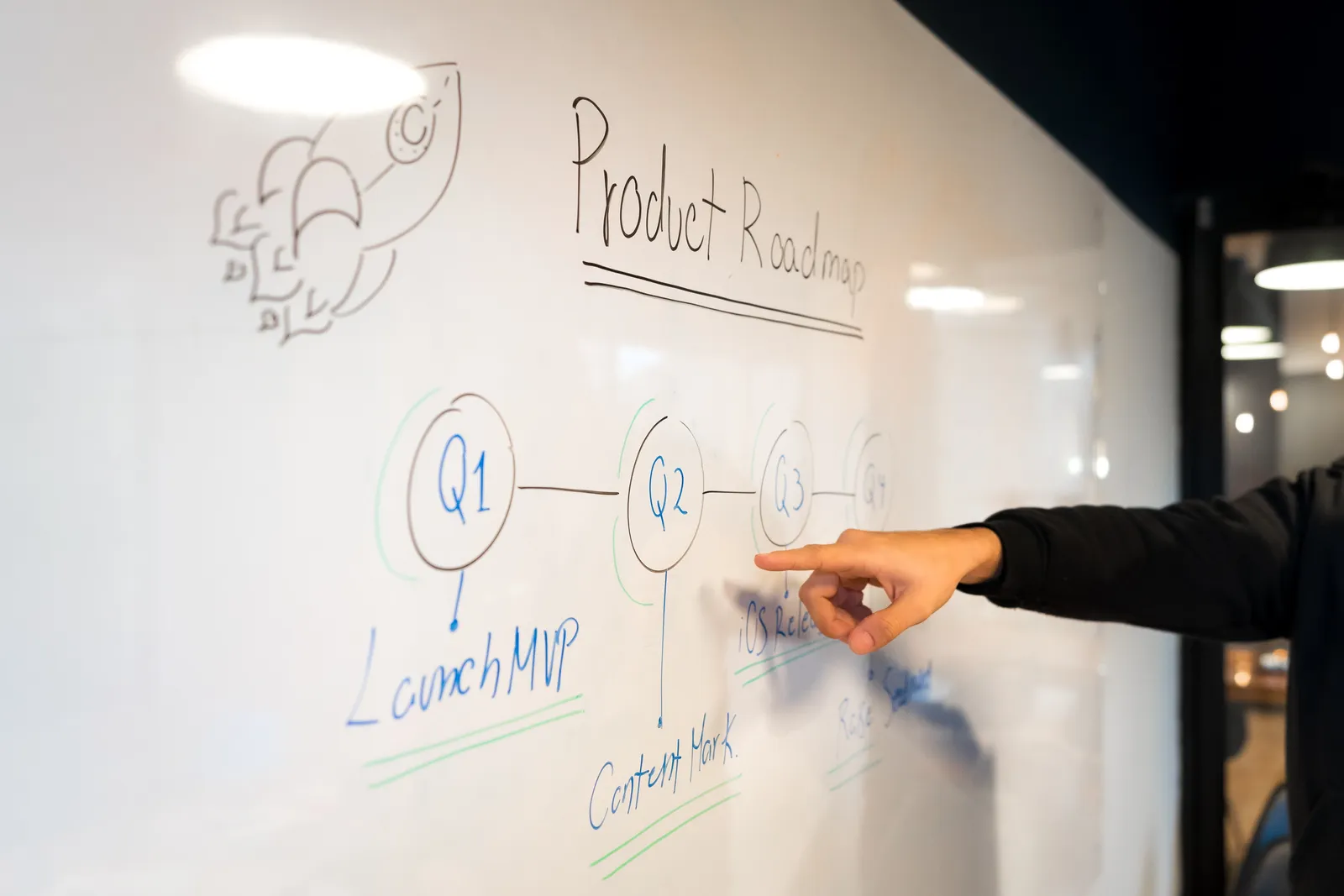
Does the project have a roadmap?
Consider what the team intends to do after the NFT sale, how the project is expected to develop, and whether holding an NFT comes with any stated benefits.
If a project provides no explanation and focuses entirely on selling NFTs, the team may have little intention of continuing once the sale is complete. The absence of a roadmap is not conclusive, particularly for art-only collections, but it deserves scrutiny in the context of the project's promises.
Excessively ambitious promises also deserve caution. A team may encourage unrealistic expectations to make its project appear more promising than it is.
Some ambitious projects are legitimate, so evaluate the roadmap alongside the other warning signs.
Toxic behavior
When people raise well-founded criticisms and the team attempts to suppress them aggressively, there may be problems that are not visible to outsiders.
Ignoring baseless allegations or disputing false claims can be reasonable. Refusing to address credible criticism is different and can suggest a lack of transparency or good faith.
Try to assess the situation from a neutral perspective rather than accepting either side's claims uncritically.
Lack of originality
Minor alterations to someone else's artwork can make it appear substantially different from the original. Combining elements from many works can likewise create the appearance of originality, as suggested by the saying about stealing from a hundred people.
Machine learning can also generate images based on the work of multiple artists, making them appear original.
Without knowing the source artwork, it may be difficult to recognize a copy. If something looks familiar or raises doubts about its provenance, walking away from the project is one option.
Summary

We have covered eight potential warning signs of fraudulent NFT projects.
Read the original article for additional context. Scams are likely to continue evolving, so remain cautious when deciding whether to participate in NFT projects.
The following articles provide further reading.
References
Conclusion
This article has introduced ways to identify suspicious NFT projects based on the original source.
NFT and cryptocurrency scams are becoming more sophisticated. Stay alert, verify claims independently, and never disclose your seed phrase to a website or another person.
I regularly write about Python and blockchain and share illustrated explanations on Twitter.